Have you ever wondered what keeps a building stable against strong winds? The answer lies in a crucial component called a girt.
Girts are horizontal structural members that support wall panels and enhance the stability of buildings.
In this article, we’ll explore the definition of girts, their significance in construction, and the different types available. You’ll also learn about the latest innovations and how they impact building efficiency.
The Role of Girts in Building Construction
What is the primary function of a girt?
A girt is a vital horizontal structural member in building construction. Its primary role is to provide support for wall panels. By doing so, it ensures that the wall cladding remains securely attached to the structure. This support is crucial for various types of materials, including metal panels and composite materials.
In addition to supporting wall panels, girts also play a significant role in resisting wind loads. When strong winds strike a building, girts help transfer those forces to the primary vertical columns. This interaction is essential for maintaining the overall stability of the structure. Without girts, buildings would be more susceptible to damage during severe weather conditions.
How do girts contribute to structural stability?
Girts interact closely with columns and wall panels, creating a robust framework. This relationship establishes a system of mutual support, where each component reinforces the others.
Here’s how it works:
● Support System: Girts connect to vertical columns, providing a stable base for wall panels. This connection is crucial for distributing loads evenly across the structure.
● Bracing Mechanism: Wall panels, in turn, offer lateral bracing to girts. This bracing helps prevent the girts from twisting or bending under pressure.
● Load Distribution: When wind loads act on the wall panels, girts transfer these forces down to the columns. This process helps maintain the building's integrity.
To visualize this, consider the following table that outlines the functions and interactions of girts in a building:
Component | Function | Interaction |
Girt | Supports wall panels | Connects to columns for stability |
Wall Panel | Provides cladding and bracing | Resists wind loads and stabilizes girts |
Column | Vertical support for the entire structure | Distributes loads from girts and panels |
By understanding these interactions, it becomes clear how essential girts are in ensuring a building's safety and longevity. Companies like Qingdao Gusite utilize advanced girt systems to enhance structural performance, demonstrating the importance of integrating these components into modern construction practices. Their expertise in providing high-quality steel structures ensures that buildings remain resilient against environmental forces.
Types of Girts
Traditional Metal Girts
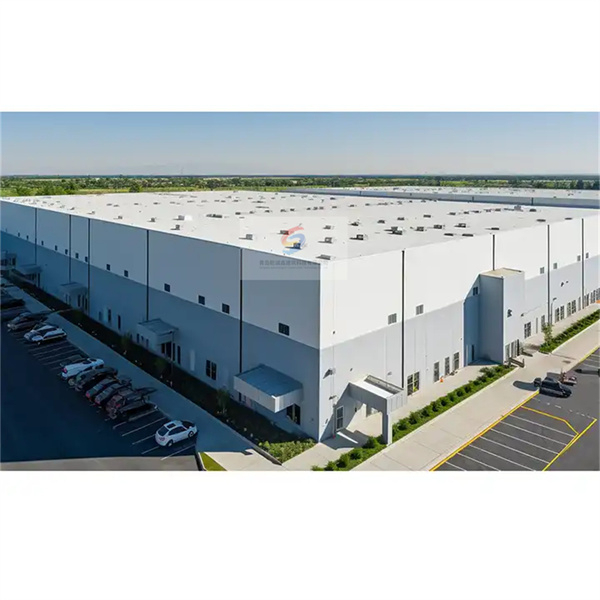
Traditional metal girts are widely used in construction due to their strength and durability. Typically made from steel, they serve as essential components in supporting wall panels. These girts are commonly found in industrial buildings, warehouses, and commercial structures.
Advantages:
● High Strength: Metal girts can support heavy loads, making them ideal for large structures.
● Longevity: They resist environmental factors, ensuring a long service life.
Disadvantages:
● Thermal Bridging: Metal conducts heat, which can lead to energy inefficiencies.
● Corrosion Risk: In humid or coastal areas, metal girts may require protective coatings to prevent rust.
Composite-Only Girts
Composite-only girts are made entirely from composite materials, offering unique properties that set them apart from traditional metal options. These girts are designed to minimize thermal bridging, making them more energy-efficient.
Definition and Characteristics: Composite girts are lightweight and resistant to corrosion, providing an effective solution for modern construction needs. They are often used in applications where thermal performance is critical.
Benefits Compared to Metal Girts:
● Improved Thermal Performance: They significantly reduce heat transfer, enhancing energy efficiency.
● Lightweight: Easier to handle and install, which can speed up the construction process.
Composite Metal Hybrid (CMH) Girts
CMH girts combine the best features of both metal and composite materials. This innovative design aims to enhance structural integrity while addressing thermal efficiency.
What are CMH Girts? CMH girts consist of a metal core encased in composite material, providing strength without compromising thermal performance.
Innovations and Advantages in Modern Construction:
● Reduced Thermal Bridging: They effectively interrupt heat transfer, leading to lower energy costs.
● Durability: These girts are resistant to environmental degradation, extending their lifespan.
Highlighting Qingdao Gusite's Use of CMH Girts: Qingdao Gusite incorporates CMH girts in their projects, showcasing their commitment to quality and energy efficiency. By using these advanced girts, they enhance the thermal performance of their steel structures, aligning with modern sustainability goals.
Wood and Other Material Girts
Wood girts have historical significance in construction, especially in residential buildings. Although less common today, they still find relevance in specific applications.
Historical Use and Current Relevance: Wood girts were traditionally used in timber framing. Today, they are often utilized in low-rise buildings or structures where aesthetics and insulation are priorities.
Comparison with Metal and Composite Girts:
● Thermal Efficiency: Wood offers better insulation properties than metal, reducing energy costs.
● Durability Concerns: While wood is lightweight, it is susceptible to rot and insect damage, making it less durable than metal or composite options.
Type of Girt | Strength | Thermal Performance | Durability |
Traditional Metal Girts | High | Low | Moderate to High |
Composite-Only Girts | Moderate | High | High |
Composite Metal Hybrid Girts | High | Very High | High |
Wood Girts | Low | Moderate | Low |
Understanding these different types of girts helps in selecting the right material for specific construction needs. Each option has its unique benefits and drawbacks, and the choice often depends on project requirements and environmental conditions.
Girt Systems in Detail
Bypass Girt System
The bypass girt system is designed to enhance structural integrity while providing flexibility in installation. In this system, the girts are positioned behind the wall panels, which allows for a seamless exterior finish.
Installation Method and Benefits:
● Ease of Installation: This system simplifies the installation process, allowing for quicker assembly on-site.
● Aesthetic Appeal: By hiding the girts, the building's exterior maintains a clean and modern look.
● Wind Load Resistance: Bypass girts effectively distribute wind loads, enhancing overall stability.
Typical Applications: This system is commonly used in industrial plants and commercial buildings. Companies like Qingdao Gusite utilize bypass girts in their projects to ensure both functionality and design integrity.
Inset Girt System
The inset girt system features girts that are installed within the wall panels themselves. This design provides a different approach to structural support and aesthetics.
Description and Performance Characteristics: Inset girts are often used in scenarios where wall thickness is a consideration. They offer a streamlined appearance and can be integrated into various designs.
Cost Implications and Use Cases:
● Cost-Effective: While the initial installation may be more complex, the long-term benefits can offset these costs.
● Applications: This system is ideal for buildings requiring enhanced insulation or specific architectural features.
Flush Girt System
The flush girt system is characterized by girts that are aligned flush with the exterior of the wall panels. This design is straightforward and effective for many construction needs.
Features and Design Considerations:
● Simplicity: The flush design makes it easy to install and align with other structural elements.
● Versatility: This system can accommodate various cladding materials, making it suitable for different architectural styles.
Comparison with Other Systems:
System Type | Aesthetic Appeal | Installation Complexity | Load Distribution |
Bypass Girt System | High | Low | Excellent |
Inset Girt System | Moderate | Moderate | Good |
Flush Girt System | Low | Low | Good |
The table above highlights how each girt system compares in terms of aesthetics, installation complexity, and load distribution. Understanding these differences helps in selecting the right system for specific construction projects. Each system has its unique advantages, making it essential to choose based on the building's requirements and design goals. Qingdao Gusite often recommends the best girt system based on the specific needs of their clients, ensuring optimal performance and efficiency.
Innovations in Girt Technology
Advancements in Materials and Design
Recent advancements in materials and design have transformed girt technology. One notable innovation is the development of Composite Metal Hybrid (CMH) girts. These unique girts combine the strength of metal with the insulating properties of composite materials.
Overview of New Materials: CMH girts offer a lightweight yet robust solution, making them ideal for modern construction. They effectively reduce thermal bridging, which is crucial for energy efficiency.
Integration with Insulation Systems: These girts can be easily integrated with advanced insulation systems. This combination helps create a continuous thermal barrier, enhancing the overall energy performance of buildings.
Qingdao Gusite's Commitment: Qingdao Gusite is dedicated to using advanced girt technology to improve energy efficiency. Their focus on innovative materials ensures that projects not only meet but exceed modern energy standards.
The Impact of Girt Technology on Energy Efficiency
Modern girt technology significantly impacts energy efficiency in buildings. By utilizing advanced materials and designs, these girts help minimize heat loss and maintain comfortable indoor temperatures.
How Modern Girts Reduce Thermal Bridging:
● Continuous Insulation: CMH girts provide a continuous layer of insulation, which reduces thermal bridging significantly.
● Minimized Heat Transfer: By interrupting the flow of heat, they prevent energy loss, leading to lower heating and cooling costs.
Benefits for Building Energy Performance: The use of innovative girts translates into substantial energy savings. Buildings equipped with these systems often achieve higher energy performance ratings.
Girt Type | Thermal Bridging Reduction | Energy Performance Benefits |
Traditional Metal Girts | Moderate | Standard |
Composite-Only Girts | High | Enhanced |
Composite Metal Hybrid Girts | Very High | Superior |
The table above illustrates how different types of girts perform regarding thermal bridging and energy efficiency. As technology advances, the integration of innovative girt systems becomes essential for sustainable building practices. Qingdao Gusite's commitment to these technologies highlights their role in shaping a more energy-efficient future.
Girts and Building Enclosures
How do Girts Support Cladding Materials?
Girts play a crucial role in supporting cladding materials, providing the necessary structural framework for a building's exterior. They act as horizontal members that connect to vertical columns, effectively holding up the wall panels.
Structural Support Mechanisms:
● Load Distribution: Girts help distribute loads from the cladding evenly across the structure, ensuring stability and strength.
● Attachment Points: They serve as reliable attachment points for various cladding materials, including metal panels and insulation systems.
Importance of Proper Installation: Proper installation of girts is vital for maintaining structural integrity. Misalignment or improper fastening can lead to issues such as sagging or even failure of the cladding system. Ensuring that girts are installed correctly not only enhances durability but also contributes to the overall performance of the building enclosure.
Girts and Thermal Efficiency
The role of girts extends beyond structural support; they are also essential for energy performance. By minimizing thermal bridging, modern girt systems help maintain comfortable indoor temperatures and reduce energy costs.
Role in Energy Performance:
● Insulation Integration: Girts can be designed to work seamlessly with insulation materials, creating a continuous thermal barrier.
● Reduction of Heat Loss: By interrupting the flow of heat, girts help keep buildings warmer in winter and cooler in summer.
Advanced Systems to Mitigate Thermal Bridging: Companies like Qingdao Gusite offer advanced girt systems specifically designed to improve thermal efficiency. These systems incorporate innovative materials and designs that significantly reduce energy loss, making buildings more sustainable.
Moisture Management and Air Leakage
Moisture management is another critical aspect of building enclosures, and girts contribute significantly to this process. By providing a solid framework for cladding, they help prevent moisture intrusion.
How Girts Prevent Moisture Issues:
● Sealed Connections: Properly installed girts create sealed connections that minimize the risk of water infiltration.
● Support for Vapor Barriers: They can also support vapor barriers, further protecting the building from moisture-related issues.
Contribution to Creating Airtight Buildings: Airtight buildings are essential for energy efficiency, and girts play a key role in achieving this goal. By minimizing gaps and ensuring a tight fit for cladding materials, girts help create a building that is resistant to air leakage.
Aspect | Girt Contribution |
Structural Support | Distributes loads, provides attachment points |
Thermal Efficiency | Reduces heat loss, integrates insulation |
Moisture Management | Prevents moisture intrusion, supports vapor barriers |
Airtightness | Minimizes air leakage, ensures tight connections |
In summary, girts are integral to building enclosures, impacting structural support, energy performance, and moisture management. Their role in modern construction is essential for creating efficient, durable, and sustainable buildings.
Conclusion
Girts are essential components in modern construction. They provide structural support for cladding materials and enhance energy efficiency.
By minimizing thermal bridging, girts help maintain comfortable indoor temperatures. Additionally, they play a crucial role in moisture management and air leakage prevention.
Considering girts in future building projects can lead to more durable and energy-efficient structures. Their significance in construction cannot be overstated.
FAQ
Q: What is the difference between a girt and a purlin?
A: Girts are horizontal members that support wall panels, while purlins are used in roofs to support roof sheathing.
Q: How do I choose the right type of girt for my project?
A: Consider factors like structural requirements, insulation needs, and aesthetic preferences when selecting a girt type.
Q: Can girts be used in residential construction?
A: Yes, girts can be utilized in residential buildings, especially in modern designs requiring energy efficiency.
Q: What are the latest innovations in girt technology?
A: Innovations include Composite Metal Hybrid (CMH) girts, which enhance thermal efficiency and reduce energy loss.


