Introduction
Modern aviation facilities face rising pressure to expand capacity, protect valuable aircraft, and keep operations running smoothly every day. Hangars are no longer simple shelters. They are critical infrastructure that supports maintenance, safety, and long-term growth. A well-designed steel structure has become the backbone of modern aircraft hangar solutions, offering strength, flexibility, and predictable performance at scale. In this article, you will explore how steel aircraft hangar solutions help aviation facilities improve efficiency, meet regulations, and stay ready for future demands.
Why Steel Aircraft Hangars Are the Preferred Choice in Modern Aviation
Structural Performance of Steel Structure Systems in Aviation
Aviation hangars demand exceptional structural reliability because aircraft loads, environmental forces, and operational activity never pause. Steel Structure systems provide a superior strength-to-weight ratio, allowing engineers to design large hangars without excessive material use. This balance supports wide clear spans while maintaining structural integrity under wind, snow, and seismic loads. Unlike traditional materials, steel remains dimensionally stable over time, which is critical for doors, roof systems, and precision equipment alignment. For aviation operators, this reliability translates into consistent performance across decades of continuous use, even in demanding climates.
Clear-Span Steel Structure Designs for Aircraft Maneuverability
Aircraft movement inside a hangar must be smooth, predictable, and unrestricted. Clear-span Steel Structure designs eliminate interior columns, creating open interiors that allow easy towing, parking, and repositioning of aircraft. This layout improves workflow efficiency during inspections and maintenance while reducing collision risk. Technicians gain better visibility, and equipment can be positioned freely without structural obstacles. For facilities handling multiple aircraft types, column-free space simplifies layout planning and supports operational flexibility as fleets change or expand over time.
Lifecycle Value of Steel Structure Hangar Buildings
Long-term value is a major factor in aviation infrastructure investment. Steel Structure hangar buildings offer predictable lifecycle performance with minimal maintenance requirements. Steel resists rot, pests, and deformation, reducing the need for structural repairs over decades. Protective coatings and modern insulation systems further extend service life while preserving performance. For airport authorities and private operators, this means lower total ownership costs and fewer operational interruptions. The ability to rely on consistent structural behavior also simplifies long-term planning and asset management.
Core Steel Aircraft Hangar Solutions for Modern Aviation Facilities
Pre-Engineered Steel Structure Hangar Systems
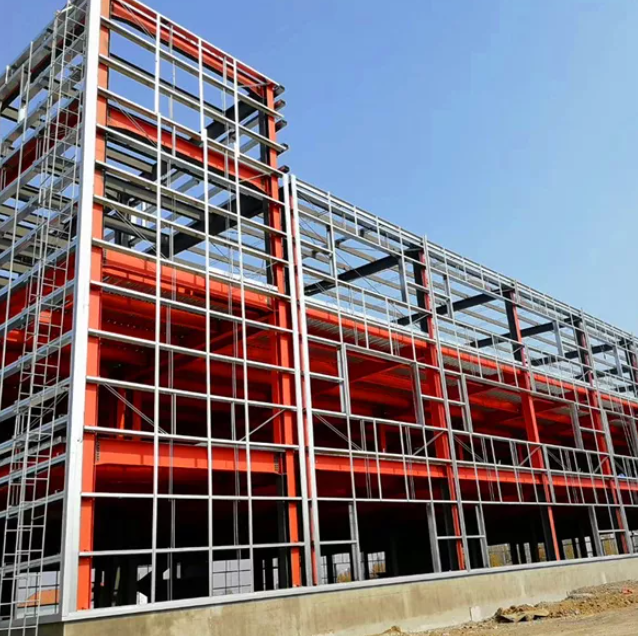
Pre-engineered Steel Structure hangar systems are designed and fabricated in controlled factory environments, ensuring accuracy and consistency across all components. Beams, columns, and roof systems arrive on site ready for assembly, which significantly shortens construction timelines. This approach reduces labor variability and improves quality control, both essential in aviation projects where precision matters. Faster installation allows facilities to become operational sooner, helping operators minimize downtime and meet tight project schedules without compromising engineering standards.
Custom Steel Structure Hangars for Diverse Aircraft Types
No two aviation facilities share identical requirements. Custom Steel Structure hangars can be engineered to accommodate private jets, commercial airliners, military aircraft, or MRO operations. Designers adjust span width, door height, and internal clearance based on specific aircraft dimensions. This flexibility ensures efficient use of space while maintaining safety margins. As fleets grow or change, steel structures support scalable expansion, allowing operators to extend hangars without rebuilding from scratch.
Integrated Building Systems Within Steel Structure Hangars
Modern hangars must integrate more than just structural frames. Steel Structure hangars support seamless installation of doors, ventilation, insulation, lighting, and overhead cranes. The predictable geometry of steel framing simplifies coordination between mechanical, electrical, and structural systems. As a result, interior environments remain stable and controlled, which is essential for aircraft protection and maintenance accuracy. Integrated systems also improve energy efficiency and reduce long-term operational costs.
Steel Structure Design Advantages for Aviation Operations
Large-Span Steel Structure Roof and Frame Engineering
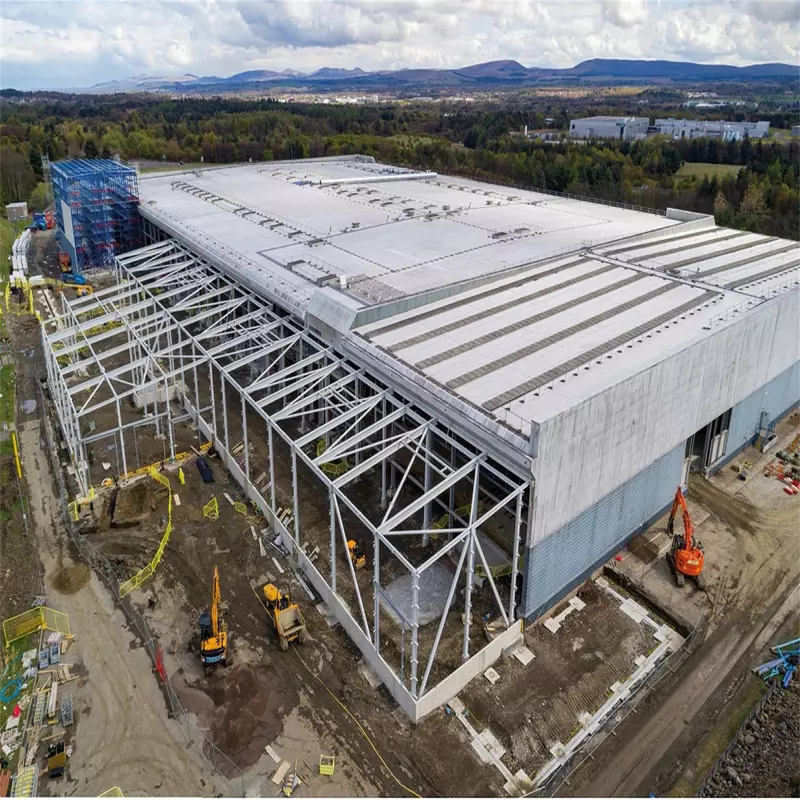
Large-span roof systems are a defining feature of aircraft hangars. Advanced Steel Structure truss and frame engineering allows spans that support wide interiors without excessive material weight. Engineers optimize load paths to manage roof loads, suspended equipment, and environmental forces efficiently. This design approach ensures reliable performance across diverse climate zones, from snow-heavy regions to high-wind coastal areas. For aviation operators, dependable roof systems protect aircraft and maintain uninterrupted operations.
Steel Structure Hangar Door and Access Solutions
Aircraft hangar doors must balance size, reliability, and structural compatibility. Steel Structure systems support sliding, bi-fold, and hydraulic doors without compromising frame stability. Large openings can be integrated into the structure while maintaining load distribution and wind resistance. Smooth door operation improves aircraft movement efficiency and reduces wear on mechanical systems. Properly engineered door solutions also enhance safety during daily operations.
Interior Optimization Enabled by Steel Structure Layouts
Steel Structure hangars allow interior spaces to be planned with precision rather than compromise. Because the load-bearing system sits at the perimeter, operators can design functional zones based on workflow, aircraft size, and safety rules. The result is a highly organized interior that supports maintenance efficiency, personnel safety, and future adjustments without structural disruption.
| Interior Aspect | Typical Design Configuration | Practical Applications | Key Technical Parameters | Standards & Notes |
| Clear Interior Span | Column-free steel frame | Unrestricted aircraft towing, parking, and rotation | Span: 40–90 m (130–295 ft) common for commercial hangars; height clearance: 8–22 m | Span depends on aircraft wingspan + ≥3 m safety clearance |
| Functional Zoning | Modular open-plan layout | Separation of maintenance, storage, offices, training | Zone width often ≥6–8 m for maintenance bays | Zoning should follow workflow to reduce towing distance |
| Maintenance Work Areas | Reinforced floor zones | Engine work, inspections, component replacement | Floor load capacity: 50–100 kN/m² | Load rating must match aircraft MTOW and ground equipment |
| Lighting Layout | High-bay LED + task lighting | Visual inspections, precision maintenance | Illumination: 500–750 lux (maintenance), 300 lux (storage) | ICAO and OSHA recommend glare-free, uniform lighting |
| Circulation Paths | Marked clear aisles | Safe movement of personnel and equipment | Aisle width: ≥3.5 m for tow vehicles | Floor markings improve safety and compliance |
| Office & Mezzanine Areas | Steel-supported mezzanines | Operations control, admin, pilot briefing | Mezzanine live load: 2.5–4.0 kN/m² | Steel frames allow vertical expansion without columns |
| Equipment Integration | Roof or beam-mounted systems | Overhead cranes, cable trays, ventilation | Crane capacity: 5–20 tons typical in MRO hangars | Steel beams simplify load transfer calculations |
| Environmental Control Zones | Insulated envelope sections | Avionics work, parts storage | Temp control: 18–24 °C; humidity ≤60% RH | Stable conditions reduce corrosion and electronics risk |
| Future Reconfiguration | Bolted steel connections | Layout changes as fleet evolves | Modification cycle: days–weeks, not months | Avoids demolition common in concrete structures |
Tip:When planning a Steel Structure hangar interior, start from aircraft dimensions and maintenance workflows rather than square footage alone. Proper span selection, floor load ratings, and lighting levels at the design stage prevent costly retrofits once operations scale.
Operational Efficiency Delivered by Steel Aircraft Hangars
Rapid Construction Using Steel Structure Technologies
Steel Structure technologies enable accelerated project delivery through off-site fabrication and modular assembly. Primary frames, purlins, and bracing are manufactured under controlled conditions, achieving tighter tolerances and reducing rework on site. Typical erection rates for steel hangars range from 500–1,000 m² per week, depending on span and crew size. Because foundations and steel fabrication can proceed in parallel, overall schedules shorten significantly. This coordinated workflow limits interference with runway operations and allows aviation facilities to resume normal activity much earlier.
Low-Maintenance Steel Structure Benefits for Aviation Facilities
Steel Structure hangars are engineered for long service intervals with minimal intervention. Protective systems such as hot-dip galvanization and high-performance coatings can provide corrosion resistance for 25–50 years in most environments. Unlike wood or concrete, steel does not crack, rot, or attract pests, eliminating common repair cycles. Bolted connections simplify inspections and localized replacement if needed. These characteristics allow operators to plan maintenance based on condition rather than failure, improving budget predictability and operational reliability.
Adaptability of Steel Structure Hangars to Operational Changes
Steel Structure hangars are designed around long-term change rather than fixed use. Their modular framing, bolted connections, and predictable load paths allow aviation operators to respond to new aircraft types, updated maintenance methods, and capacity growth without replacing the original structure or interrupting operations.
| Adaptation Scenario | Structural Method Used | Typical Applications | Key Technical Parameters | Design & Planning Notes |
| Longitudinal Extension | End-wall frame replication | Adding aircraft bays as fleet size grows | Extension length: 12–30 m per bay | Foundations and bracing must be pre-checked for continuity |
| Span Width Increase | Side-bay steel frame addition | Accommodating wider wingspans | Added width: 6–15 m per side | Lateral load paths require updated wind analysis |
| Clear Height Increase | Column splice and roof raise | New aircraft with higher tail sections | Height increase: 2–6 m | Door systems must be upgraded simultaneously |
| Overhead Crane Integration | Reinforced roof beams or girders | Engine removal, heavy component handling | Crane capacity: 5–25 tons | Dynamic load factors typically ≥1.25 applied |
| Maintenance Process Upgrade | Internal layout reconfiguration | Shift from storage to MRO operations | Refit time: weeks rather than months | Open-span layouts avoid structural demolition |
| Equipment Load Increase | Floor slab strengthening zones | New ground support equipment | Slab thickness: 250–350 mm typical | Point loads should be checked against MTOW |
| Utility System Expansion | Secondary steel framing | Added power, air, or data systems | Power rails: 400 Hz aircraft supply | Steel framing simplifies hanger and tray mounting |
| Future Technology Readiness | Modular steel connections | Electric aircraft or hybrid systems | Charging loads: 150–600 kW (verify) | Early conduit planning reduces retrofit cost |
| Operational Zoning Changes | Removable steel partitions | Reallocation of storage and work areas | Partition height: 3–6 m | Non-load-bearing by design |
Tip:When designing a Steel Structure hangar, reserving capacity in foundations, roof beams, and utility corridors significantly reduces the cost and downtime of future expansions or process upgrades, especially for growing fleets and MRO operations.
Safety, Protection, and Compliance in Steel Structure Hangars
Fire-Resistant Properties of Steel Structure Hangar Buildings
Steel Structure hangar buildings provide a high level of passive fire protection because steel is non-combustible and does not release toxic smoke during exposure to heat. Structural steel maintains predictable behavior under elevated temperatures, allowing engineers to design fire-rated assemblies using intumescent coatings or fire-resistive cladding. Hangars commonly target fire resistance ratings of 1–2 hours for primary members, supporting safe evacuation and effective suppression. Steel framing also integrates easily with foam and sprinkler systems required in aircraft fuel environments, reducing overall fire risk.
Environmental Protection Offered by Steel Structure Envelopes
Steel Structure envelopes create a controlled barrier against environmental stressors that directly affect aircraft condition. High-performance insulated wall and roof panels reduce air infiltration rates to below 0.5 ACH, limiting moisture entry and dust accumulation. Vapor barriers and thermal breaks minimize condensation on structural members, which is critical for protecting avionics and composite materials. Steel cladding systems also resist UV degradation and wind-driven rain, ensuring consistent internal conditions across hot, cold, and coastal climates where aviation facilities often operate.
Steel Structure Compliance With Aviation and Building Standards
Steel Structure hangars are well suited to regulatory compliance because their performance can be calculated, tested, and documented with precision. Structural design typically follows internationally recognized standards such as Eurocode, AISC, or ASCE load provisions, ensuring consistent safety margins for wind, snow, and seismic forces. Material traceability, mill certificates, and bolted connection detailing simplify third-party review and inspections. This transparency helps aviation projects move efficiently through permitting while meeting airport authority, fire code, and occupational safety requirements.
Sustainability and Future-Ready Steel Aircraft Hangar Solutions
Sustainable Advantages of Steel Structure Construction
Steel Structure construction offers measurable sustainability benefits that go beyond recyclability. Structural steel typically contains 25–90% recycled content, depending on region and supply chain, which significantly reduces embodied carbon compared with many traditional materials. Prefabrication minimizes on-site waste by up to 30–50% through precise cutting and standardized components. Steel members can be dismantled and reused without loss of mechanical properties, supporting circular construction models. For aviation authorities pursuing long-term environmental targets, steel structures also simplify lifecycle assessments and align well with LEED, BREEAM, and other green building frameworks.
Energy-Efficient Steel Structure Hangar Design Strategies
Steel Structure hangars enable high-performance energy design because framing systems easily integrate insulation, daylighting, and airflow control. Insulated sandwich panels commonly achieve thermal transmittance values of 0.25–0.35 W/m²·K, supporting stable indoor temperatures. Long-span roofs allow optimal placement of skylights, reducing daytime lighting demand by 40–60%. Steel frames also support displacement ventilation and high-volume low-speed fans, improving air circulation while lowering HVAC energy use. These strategies collectively reduce annual energy consumption and stabilize operating costs in large aviation facilities.
Future-Proofing Aviation Facilities With Steel Structure Systems
Future aviation facilities must adapt to rapid technological shifts, including electric aircraft, automated maintenance, and digital monitoring systems. Steel Structure systems provide predictable load paths and modular connections, making it easier to add charging infrastructure, heavier cabling, or sensor networks without structural replacement. Clear-span layouts support reconfiguration for new aircraft geometries and maintenance workflows. Steel frames also accommodate increased roof loads from solar panels or battery systems. This adaptability ensures hangars remain functional and competitive as aviation operations and technologies continue to evolve.
Conclusion
Steel aircraft hangar solutions meet modern aviation needs for safety, efficiency, and long-term growth. Steel Structure systems provide clear-span space, fast construction, low maintenance, and strong compliance across diverse environments. Their sustainability and adaptability support evolving aircraft technologies and operations. Qingdao qianchengxin Construction Technology Co., Ltd. delivers high-quality steel hangar solutions through precise engineering, flexible customization, and reliable construction services, helping aviation facilities protect assets, improve operations, and create lasting value.
FAQ
Q: What are steel aircraft hangar solutions?
A: They are hangars built with a steel structure to protect aircraft, support maintenance, and improve space efficiency.
Q: Why is a steel structure preferred for modern aviation facilities?
A: A steel structure offers clear-span space, durability, and reliable performance under heavy operational loads.
Q: How does a steel structure hangar improve daily operations?
A: The steel structure allows flexible layouts, smooth aircraft movement, and easy integration of equipment.
Q: Are steel structure aircraft hangars cost-effective?
A: Yes, a steel structure reduces construction time, lowers maintenance needs, and supports long-term value.
Q: Can steel structure hangars adapt to future aviation needs?
A: A steel structure can be expanded or modified to support new aircraft and technologies.


