Have you ever wondered what makes steel buildings so strong and versatile? Steel structures are crucial in modern construction, providing durability and flexibility. Understanding the parts of a steel building is essential for effective planning and execution.
In this post, we’ll explore the key components of steel buildings and their functions. Additionally, we’ll highlight how Qingdao Gusite stands out as a leading provider of steel structure solutions.
What is a Steel Structure?
A steel structure is a building framework primarily made from steel. These structures are known for their strength and resilience, making them ideal for various construction projects. Unlike traditional buildings made from wood or concrete, steel structures offer unique advantages that set them apart.
Key Characteristics of Steel Structures
Steel structures possess several defining attributes:
● Strength and Durability: Steel can withstand heavy loads and resist environmental factors like wind, earthquakes, and fire.
● Flexibility in Design: They allow for innovative architectural designs, enabling large open spaces without supporting columns.
● Cost-Effectiveness: Although the initial investment may be higher, the long-term savings in maintenance and durability make steel a cost-effective choice.
Characteristic | Steel Structures | Traditional Structures |
Strength | High | Moderate to Low |
Design Flexibility | Excellent | Limited |
Maintenance Cost | Low | High |
Benefits of Using Steel in Construction
Choosing steel for construction comes with numerous benefits:
1. Sustainability: Steel is recyclable, reducing environmental impact. This aligns with modern construction trends focused on sustainability.
2. Speed of Construction: Prefabricated steel components can be quickly assembled on-site, reducing overall project timelines.
3. Safety: Steel structures can be designed to meet stringent safety standards, providing peace of mind.
Qingdao Gusite understands these advantages and focuses on delivering high-quality steel structure products. Their expertise in steel design and manufacturing ensures that clients receive durable and reliable solutions tailored to their needs. With advanced production capabilities, they offer a range of steel products that cater to various construction requirements, making them a trusted partner in the industry.
This combination of strength, flexibility, and cost-effectiveness makes steel structures an excellent choice for modern construction projects. As we explore the parts of a steel building, you'll see how these characteristics play a crucial role in structural integrity and functionality.
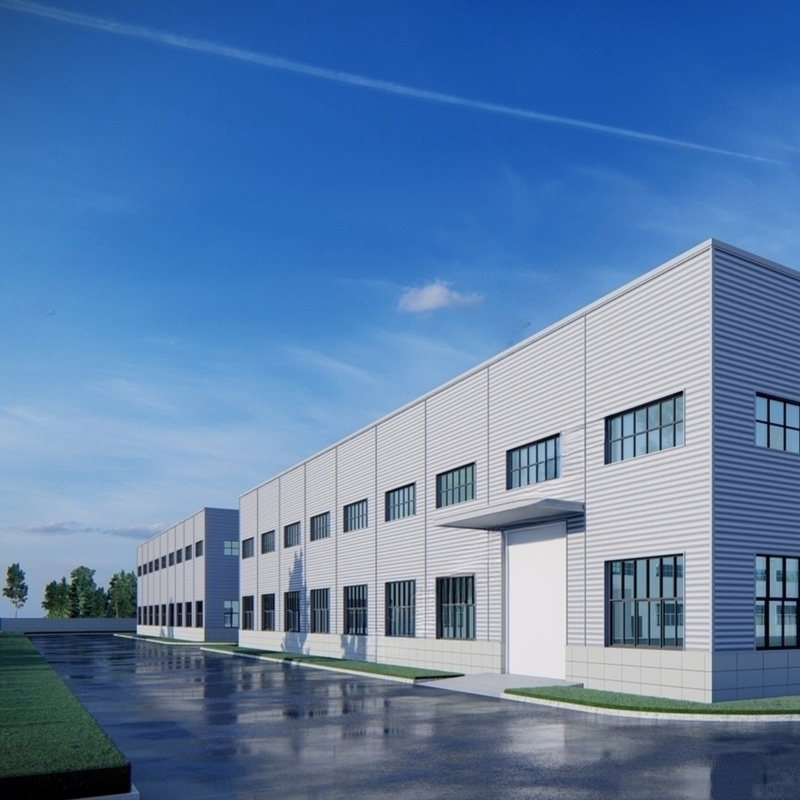
Primary Components of a Steel Building
Understanding the primary components of a steel building is essential for grasping how these structures maintain their integrity and functionality. The primary framing forms the backbone of the building, while secondary framing provides additional support and stability. Together, they create a robust framework that can withstand various environmental challenges.
Primary Framing
Primary framing is crucial for the overall structural integrity of a steel building. It consists of the main load-bearing elements that support the entire structure and ensure its stability.
Columns
Columns are vertical supports that bear the weight of the building. They are designed to transfer loads from the roof and floors down to the foundation. Common materials used for columns include:
● H-beams: These are widely preferred in construction due to their high strength-to-weight ratio, allowing for efficient load distribution.
● Wide-flange sections: These provide excellent load-bearing capabilities, making them suitable for various applications.
Qingdao Gusite excels in producing H-beams, boasting an impressive annual output of 20,000 tons. This capability ensures they can meet the demands of various construction projects efficiently. Their commitment to quality means each column is manufactured to precise specifications, enhancing the overall safety of the structure.
Rafters
Rafters play a vital role in supporting the roof system. They are slanted beams that help distribute loads evenly across the roof. By bearing the weight of roofing materials and any additional loads, rafters contribute significantly to the roof's overall stability.
Rafters are typically designed to accommodate different roofing materials, such as metal panels or shingles, and can be customized based on the specific architectural requirements of a project. Their strategic placement helps prevent sagging and ensures that water drains properly from the roof.
Rigid Frames
Rigid frames combine columns and rafters to create a stable structure. These frames resist lateral forces, such as wind and seismic activity, making them essential for maintaining stability in steel buildings. Their design allows for larger open spaces within the building, enhancing usability.
Rigid frames are often utilized in large-scale industrial buildings where open floor plans are necessary. This flexibility in design enables architects and builders to create versatile spaces that can be adapted for various uses, from warehouses to office spaces.
Secondary Framing
While primary framing provides the main structural support, secondary framing offers additional reinforcement and connection points that enhance the overall strength of the building.
Purlins
Purlins are horizontal structural members that run across the rafters. They support the roof panels and help distribute loads evenly. By providing this additional support, purlins enhance the overall strength of the roof system.
Purlins can be made from various materials, including steel and aluminum, and are often designed to be lightweight yet strong. Their configuration can vary depending on the roof design, ensuring optimal performance under different loading conditions.
Girts
Girts are horizontal members attached to the walls. They support wall panels and help maintain the building's shape. Girts ensure that the wall systems are securely fastened, contributing to the overall integrity of the structure.
These components are critical in resisting lateral forces and enhancing the building's overall stability. Girts can be installed at various heights along the wall, providing flexibility in the design and ensuring that the walls can accommodate different types of cladding materials.
Eave Struts
Eave struts connect the roof and wall systems, providing stability at the junction. They help distribute loads from the roof down to the walls, ensuring that both systems work together effectively. The design of eave struts can vary based on the building's architectural style, but their primary function remains the same: to enhance structural integrity.
Eave struts also play a role in aesthetics, as they can be designed to complement the building's overall look while ensuring functionality.
Bracing
Bracing is essential for enhancing the stability of steel structures. It includes various types, such as:
● X-bracing: This design provides excellent resistance to lateral forces, making it ideal for buildings in windy areas.
● Diagonal rods: These help prevent swaying and maintain the structure's shape, especially during seismic events.
Bracing elements are strategically placed throughout the structure to provide maximum support and stability. They are crucial in ensuring that the building can withstand external forces, making them indispensable in steel construction.
Component | Description | Function | Common Materials |
Columns | Vertical supports made from H-beams or wide-flange sections | Bear the weight of the structure | Steel (H-beams, wide-flange) |
Rafters | Slanted beams supporting the roof system | Distribute roof loads | Steel, aluminum |
Purlins | Horizontal members across rafters | Support roof panels | Steel, aluminum |
Girts | Horizontal members on walls | Support wall panels | Steel |
Eave Struts | Connect roof and wall systems | Enhance stability | Steel |
Bracing | X-bracing or diagonal rods | Enhance stability | Steel |
By understanding these primary and secondary components, you can appreciate how steel structures are designed for strength and durability. Qingdao Gusite's expertise in manufacturing these components ensures that each steel building is built to last. Their commitment to quality and innovation positions them as a leader in the steel construction industry, ready to meet the evolving needs of modern architecture.
Roofing Systems in Steel Buildings
Roofing systems are vital components of steel buildings, providing essential protection against the elements. They not only shield the structure from rain, snow, and wind but also contribute to energy efficiency and overall comfort inside the building. Understanding the key components of roofing systems helps us appreciate their role in maintaining a durable and efficient steel structure.
Key Roofing Components
A well-designed roofing system consists of several key components, each serving a specific function that enhances the building's performance.
Roof Panels
Roof panels are the primary covering for the roof, and they come in various types and materials. The choice of roof panels can significantly affect the building's appearance, durability, and insulation properties. Some common types include:
● Metal Panels: These are popular for their strength and longevity. They can be made from galvanized steel or aluminum, providing excellent resistance to corrosion.
● Composite Panels: These panels combine insulation with exterior materials, offering both thermal efficiency and structural support. Qingdao Gusite specializes in producing high-quality composite panels that meet diverse building needs.
● Single-Ply Membranes: Often used in commercial buildings, these membranes are lightweight and easy to install, providing a seamless barrier against water infiltration.
Insulation
Insulation plays a crucial role in roofing systems, impacting energy efficiency and indoor comfort. Proper thermal insulation helps maintain consistent temperatures within the building, reducing heating and cooling costs. The benefits of effective insulation include:
● Energy Savings: Well-insulated roofs minimize heat loss in winter and heat gain in summer, leading to lower energy bills.
● Comfort: Insulation contributes to a more comfortable indoor environment by preventing drafts and maintaining stable temperatures.
● Noise Reduction: Insulation can also dampen outside noise, creating a quieter interior space.
Ventilation Systems
Ventilation systems are essential for maintaining air quality and energy efficiency in steel buildings. They allow for the circulation of air, helping to prevent moisture buildup and control indoor temperatures. Key roles of ventilation systems include:
● Air Circulation: Proper ventilation ensures that fresh air enters the building while stale air is expelled, promoting a healthier environment.
● Energy Efficiency: By regulating indoor temperatures, ventilation systems can reduce the reliance on heating and cooling systems, leading to energy savings.
● Moisture Control: Effective ventilation helps prevent condensation and mold growth, protecting the building's structural integrity.
Roofing Component | Description | Benefits |
Roof Panels | Metal, composite, or single-ply membranes | Provide protection and insulation |
Insulation | Thermal barriers made from various materials | Enhance energy efficiency and comfort |
Ventilation Systems | Systems for air circulation and moisture control | Improve air quality and energy savings |
Qingdao Gusite not only produces high-quality composite panels but also offers color steel tiles that enhance the aesthetic appeal of roofing systems. Their commitment to innovation ensures that clients receive roofing solutions that are both functional and visually appealing.
Understanding these roofing components is crucial for anyone involved in the design or construction of steel buildings. Each element works together to create a reliable and efficient roofing system that protects the structure while enhancing its overall performance.
Wall Systems in Steel Buildings
Wall systems in steel buildings are essential for providing structural support, insulation, and protection against the elements. They also play a crucial role in the aesthetics of the building. Understanding the components that make up wall systems helps in appreciating their functionality and importance in a steel structure.
Essential Wall Components
A well-designed wall system consists of several key components, each serving a specific purpose that contributes to the overall performance of the building.
Wall Panels/Siding
Wall panels or siding are the outer layers of the wall system, providing protection from weather and contributing to the building's insulation. Various materials are used for wall panels, each offering distinct benefits:
● Steel Panels: Known for their durability and resistance to corrosion, steel panels are ideal for industrial and commercial applications. They can withstand harsh weather conditions and require minimal maintenance.
● Insulated Panels: These panels combine structural support with insulation, providing excellent thermal efficiency. They help maintain a stable indoor temperature, reducing energy costs.
● Vinyl and Fiber Cement Siding: These materials offer aesthetic flexibility and are available in various colors and textures. They are lightweight and easy to install, making them popular choices for residential applications.
Doors and Windows
Integrating doors and windows into wall systems is vital for accessibility and ventilation. They not only provide entry points but also allow natural light to enter the building. Key considerations include:
● Accessibility: Doors should be designed to accommodate all users, including those with disabilities. This includes features like wider openings and automatic mechanisms.
● Ventilation: Windows play a crucial role in air circulation, helping to maintain a comfortable indoor environment. Properly placed windows can enhance natural ventilation, reducing reliance on mechanical systems.
● Security: Choosing the right doors and windows can enhance the building's security. Steel doors and reinforced windows provide additional protection against break-ins.
Insulation
Insulation is a critical component of wall systems, significantly impacting energy efficiency and occupant comfort. The benefits of effective insulation include:
● Energy Efficiency: Proper insulation reduces heat loss in winter and heat gain in summer, leading to lower energy bills. This is particularly important in climates with extreme temperatures.
● Comfort: Insulation helps maintain stable indoor temperatures, reducing drafts and creating a more comfortable living or working environment.
● Acoustic Control: Insulation can also help minimize noise from outside, making interiors quieter and more conducive to work or relaxation.
Wall Component | Description | Benefits |
Wall Panels/Siding | Steel, insulated, or vinyl panels | Provide protection and insulation |
Doors and Windows | Entry points with various designs | Enhance accessibility and ventilation |
Insulation | Thermal barriers made from various materials | Improve energy efficiency and comfort |
Qingdao Gusite offers a range of customizable steel structure-compatible doors and windows. Their products are designed to integrate seamlessly into wall systems, ensuring that functionality and aesthetics are harmonized. With options for various styles and materials, they cater to diverse architectural needs.
Understanding these essential wall components is crucial for anyone involved in the design or construction of steel buildings. Each element contributes to the overall performance and efficiency of the structure, making it vital to choose quality materials and designs that meet specific requirements.
Flooring Systems
Flooring systems are critical components of steel buildings, especially in multi-story structures. They provide essential support for occupants and equipment while ensuring safety and stability. Understanding the various components of flooring systems helps in recognizing their importance in the overall design of a steel structure.
Components of Flooring in Steel Buildings
A well-designed flooring system consists of several key components, each contributing to the structural integrity and functionality of the building.
Steel Deck Plates
Steel deck plates are foundational elements in flooring systems, offering robust support for the upper floors. These plates are typically made from high-strength steel and are designed to work seamlessly with the structural frames of the building. Key features include:
● Compatibility: Steel deck plates are engineered to integrate with various framing systems, providing a solid base for additional layers, such as concrete or insulation.
● Load Distribution: They help distribute loads evenly across the floor, enhancing the overall stability of the structure.
● Quick Installation: The lightweight nature of steel deck plates allows for faster installation, reducing construction time and labor costs.
Concrete Integration
Combining steel decks with concrete is a common practice that enhances the stability and durability of flooring systems. The benefits of this integration include:
● Increased Strength: Concrete adds compressive strength to the flooring system, allowing it to support heavier loads without compromising safety.
● Improved Fire Resistance: Concrete provides excellent fire resistance, which is crucial for meeting safety codes and protecting occupants.
● Enhanced Acoustic Performance: The combination of steel and concrete can improve sound insulation, creating quieter interior spaces, which is particularly beneficial in multi-story buildings.
Flooring Component | Description | Benefits |
Steel Deck Plates | High-strength steel plates for floor support | Quick installation and load distribution |
Concrete Integration | Combination of steel decks and concrete | Increased strength and fire resistance |
Overall Flooring System | Comprehensive system integrating steel and concrete | Enhanced durability and acoustic performance |
Qingdao Gusite integrates flooring design into its overall steel structure solutions, ensuring that each component works harmoniously with others. Their expertise in producing high-quality steel deck plates and their understanding of concrete integration allows them to offer customized flooring solutions tailored to specific project needs. This commitment to quality not only enhances the structural integrity but also contributes to the efficiency of the construction process.
Understanding these components of flooring systems is essential for anyone involved in the design or construction of steel buildings. Each element plays a vital role in creating safe, durable, and efficient structures that meet modern architectural demands.
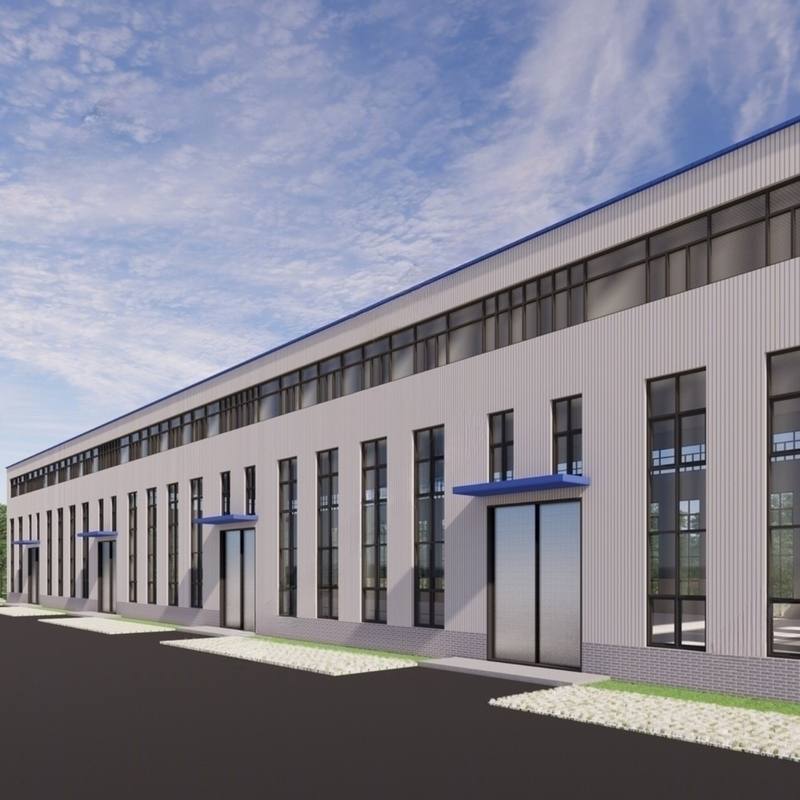
Connections and Fasteners
Connections and fasteners are essential elements in the construction of steel buildings. They play a critical role in ensuring the structural integrity and safety of the entire steel structure. Understanding the different types of connections and their applications helps in appreciating their importance in construction.
Importance of Connections in Steel Structures
Connections are vital for linking various components of a steel building, such as beams, columns, and trusses. They serve several key functions:
● Structural Safety: Properly designed connections ensure that loads are effectively transferred between components, preventing structural failures. They help maintain the overall stability of the building under various loads, including dead loads, live loads, and environmental forces like wind and seismic activity.
● Flexibility and Adaptability: Connections allow for flexibility in design. They enable builders to create complex shapes and configurations that meet architectural requirements while ensuring strength and durability.
Types of Connections
There are several types of connections used in steel structures, each with specific applications and advantages:
● Bolted Connections: These are widely used due to their ease of installation and ability to be disassembled. Bolts provide strong connections and are often used in situations where adjustments may be needed in the future.
● Welded Connections: Welding creates a continuous joint between steel components, offering excellent strength and rigidity. This type of connection is commonly used in areas where maximum load-bearing capacity is required.
● Connecting Plates: These plates are used to join two or more steel members together. They can be bolted or welded and are particularly useful in complex assemblies where multiple connections are needed.
Connection Type | Description | Applications |
Bolted Connections | Fastened with bolts for easy assembly and disassembly | General construction and modifications |
Welded Connections | Continuous joint providing high strength | High-load areas and structural integrity |
Connecting Plates | Plates used to join multiple members | Complex assemblies and connections |
Importance of Proper Design and Installation
The design and installation of connections are crucial for meeting load-bearing requirements. Engineers must consider factors like:
● Load Paths: Understanding how loads will travel through the structure helps in designing effective connections.
● Material Properties: The strength and durability of the materials used for connections must align with the overall design of the steel structure.
● Installation Techniques: Proper installation ensures that connections perform as intended, reducing the risk of failure during the building's lifespan.
Qingdao Gusite is committed to optimizing connection designs to enhance structural stability. Their expertise in creating high-quality connections ensures that each steel structure is not only safe but also efficient in its performance. By focusing on innovative connection solutions, they contribute significantly to the reliability of steel buildings.
Understanding the importance of connections and fasteners is essential for anyone involved in the design or construction of steel structures. Each connection type plays a pivotal role in ensuring the overall safety and functionality of the building.
Conclusion
Understanding the parts of a steel building is crucial for effective construction. Each component plays a vital role in ensuring safety and stability.
Steel structures offer numerous benefits, including durability and flexibility. They are an excellent choice for future construction projects.
Qingdao Gusite stands out as a reliable partner in steel structure construction. Their expertise ensures high-quality solutions that meet diverse needs.
FAQ
Q: What are the advantages of steel structures over traditional materials?
A: Steel structures offer superior strength, durability, and flexibility, allowing for larger spans and quicker construction.
Q: How do I choose the right components for my steel building?
A: Consider factors like load requirements, climate, and design preferences when selecting components.
Q: What is the typical lifespan of a steel building?
A: Steel buildings can last 50 years or more with proper maintenance.
Q: Are steel structures environmentally friendly?
A: Yes, steel is recyclable and can reduce waste in construction projects.
Q: How does Qingdao Gusite ensure quality in its steel structure products?
A: Qingdao Gusite employs rigorous quality control measures and uses high-quality materials in their products.


